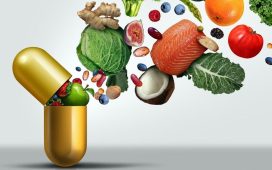
Most gut health advice focuses on what to add — a probiotic capsule, a fermented drink, a new supplement. Far less attention goes to what’s already feeding the bacteria that live in your gut right now, and whether that fuel supply is actually adequate. Prebiotics are that fuel, and understanding how to work them into everyday meals — rather than treating them as a separate supplement category — is arguably a more sustainable long-term approach for most people.
The Feeding Analogy Worth Understanding
Think of the gut microbiome less like a fixed population and more like a garden. Introducing beneficial bacteria through fermented foods or a probiotic supplement is like planting new seeds, but without the right nutrients in the soil, those seeds struggle to establish and thrive. Prebiotics are effectively that soil nutrition — specialised fibres that beneficial bacteria ferment in the colon, producing short-chain fatty acids like butyrate that support the gut lining and a healthy inflammatory response.
This analogy matters practically because it reframes the priority. Many people focus entirely on adding new bacteria without ever addressing whether their existing gut population has enough to eat, which limits how much benefit any probiotic intervention can realistically achieve.
Everyday Foods That Already Contain Prebiotic Fibre
Before considering any supplement, it’s worth taking stock of how much prebiotic fibre is already present in a typical week of meals. Garlic, onions, and leeks — staples in countless savoury dishes — are naturally rich in inulin and fructooligosaccharides. Legumes like chickpeas, lentils, and kidney beans contribute a meaningful amount of resistant starch and other fermentable fibres. Even a simple change like cooking potatoes or rice and then cooling them before eating (in a salad, for instance) increases their resistant starch content compared to eating them hot, since the cooling process changes the starch structure in a way that resists digestion in the small intestine.
For most people, small adjustments to existing meals — an extra clove of garlic in a sauce, swapping white rice for a cooled portion, adding a tin of lentils to a soup — can meaningfully increase prebiotic intake without requiring a dedicated supplement at all.
When Whole Foods Aren’t Enough
Despite the food-first framing, there are genuine situations where a dedicated prebiotic supplement makes practical sense. Some people have restricted diets — due to allergies, strong food preferences, or a low FODMAP approach for managing digestive symptoms — that limit their ability to get consistent prebiotic fibre from food alone. Others simply find it difficult to eat a wide enough variety of high-fibre foods consistently given time constraints or appetite.
In these situations, a measured, consistent supplement dose offers a level of control that’s harder to achieve through diet variability alone, particularly for anyone managing a specific digestive condition where consistency matters more than variety.
Partially Hydrolysed Guar Gum: The Gentler Supplement Option
Among the various prebiotic supplement options, Partially Hydrolysed Guar Gum has become a popular choice specifically because of its gentler fermentation profile. Where fibres like inulin ferment relatively quickly, sometimes causing noticeable bloating in sensitive individuals, PHGG ferments more slowly and evenly along the length of the colon, which tends to produce fewer digestive complaints even at meaningful daily doses.
This makes it a particularly useful option for people who’ve tried increasing whole-food fibre intake and found themselves uncomfortable, since PHGG offers a way to continue supporting the gut microbiome without the same degree of digestive disruption.
Chicory Root: Bridging Food and Supplement
Chicory root fibre sits in an interesting middle ground between whole food and dedicated supplement. It’s derived from a genuine food source with a long culinary history — chicory root has been roasted as a coffee substitute for centuries in parts of Europe — but the extracted fibre itself is typically sold in a more concentrated powder form than what most people would consume through the whole root alone.
This concentration is useful for anyone wanting a measured, consistent dose without relying on unusual or hard-to-source whole foods, though the trade-off is the same tolerance consideration that applies to any inulin-rich source: starting with a smaller amount and gradually increasing intake over several weeks avoids the bloating and gas that can come from introducing a large dose too quickly.
Practical Meal Ideas for Boosting Prebiotic Intake
A genuinely practical approach to increasing prebiotic intake doesn’t require an overhaul of an existing diet. A stir-fry with extra garlic and onion as a base, a lentil-based soup a couple of times a week, a side of cooled potato salad instead of hot mash, and snacking on a small handful of unripe (slightly green) bananas rather than fully ripe ones are all small, low-effort changes that meaningfully increase prebiotic fibre intake over a typical week.
For anyone managing symptoms of sensitivity to high-FODMAP foods, these whole-food sources may not be well tolerated, which is precisely where PHGG’s gentler profile becomes a genuinely useful alternative rather than simply a convenience.
Comparing Powder Formats for Daily Use
Beyond fibre type, the physical format of a supplement affects how easily it fits into daily life. A fine, neutral-tasting prebiotic powder that dissolves fully into water, coffee, or a smoothie without altering texture is generally easier to use consistently than a gritty powder that needs to be stirred vigorously or leaves residue. Consistency of use matters more for prebiotic fibre than almost any other supplement category, since the gut microbiome responds to sustained, regular intake rather than occasional large doses.
Building Tolerance Gradually
Regardless of whether prebiotic fibre comes from food or a prebiotics supplement, the same principle applies: start small and increase gradually. The gut microbiome needs time to adjust to increased fibre fermentation, and a sudden jump from a low-fibre diet to a high dose of any prebiotic source — food or supplement — is the most common cause of the bloating and discomfort that puts people off entirely.
A gradual increase over two to four weeks, paying attention to how the body responds along the way, tends to produce a far more sustainable outcome than an aggressive all-at-once approach.
Tracking Progress Without Overcomplicating It
Unlike some health interventions that are hard to gauge, prebiotic intake tends to show fairly noticeable feedback within a couple of weeks — changes in regularity, digestive comfort, or general “gut feeling” for lack of a more precise term. Rather than tracking every gram of fibre consumed, most people find it more sustainable to simply notice general patterns: did adding lentils twice a week change anything, does a cooled potato salad sit better than usual, has a small daily dose of PHGG made any noticeable difference after a month.
This kind of loose, observational tracking suits prebiotics well, since the goal isn’t hitting a precise numerical target but building a sustainably higher level of fibre intake that the gut microbiome can consistently rely on.
Frequently Asked Questions
Can I get enough prebiotics from food alone without ever needing a supplement?
For many people eating a varied diet with regular garlic, onion, legumes, and whole grains, yes. Supplements become more relevant for restricted diets, specific digestive conditions, or simply as a convenient way to ensure consistency.
Why do some prebiotic foods cause more bloating than others?
Fermentation speed varies by fibre type. Fast-fermenting fibres like inulin can produce more noticeable gas in a shorter window, while slower-fermenting options like PHGG spread the fermentation process out, generally producing a milder digestive response.
Is it possible to eat too many prebiotic foods?
Excessive intake, particularly introduced suddenly, can cause uncomfortable bloating, gas, and in some cases loose stools. This isn’t typically dangerous but is worth moderating by adjusting portion sizes and pace of increase.
Do cooking methods affect the prebiotic content of foods?
Yes, in some cases significantly. Cooking and then cooling starchy foods like potatoes and rice increases their resistant starch content, a specific type of prebiotic fibre, compared to eating them freshly cooked and hot.
Prebiotics don’t need to be treated as a separate, isolated health intervention. For most people, a food-first approach — supplemented where genuinely useful — offers a more sustainable, varied way to keep the gut microbiome consistently fed than relying on any single product alone.