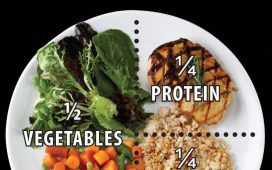
Long-term wellness is not built on restrictive diets or short-lived trends. It grows from consistent, realistic eating habits that nourish the body and adapt to life’s changes. A sustainable diet supports physical health, mental clarity, energy levels, and disease prevention over decades—not just weeks.
Focus on Whole, Minimally Processed Foods
Whole foods provide nutrients in their most natural and bioavailable form. They support digestion, metabolism, and overall vitality.
Prioritize:
- Fresh vegetables and fruits
- Whole grains like oats, brown rice, and quinoa
- Lean proteins such as legumes, fish, eggs, and poultry
- Healthy fats from nuts, seeds, and olive oil
These foods deliver fiber, vitamins, minerals, and antioxidants essential for long-term health.
Build Balanced Meals for Daily Stability
The Importance of Macronutrient Balance
A well-rounded plate keeps blood sugar stable and prevents energy crashes.
Aim to include:
- Protein for muscle repair and satiety
- Complex carbohydrates for sustained energy
- Healthy fats for hormone and brain health
Balanced meals reduce cravings and support consistent energy throughout the day.
Practice Mindful Eating Habits
Mindful eating shifts focus from rules to awareness. It improves digestion and helps regulate appetite naturally.
Helpful practices include:
- Eating slowly and without distractions
- Noticing hunger and fullness cues
- Appreciating flavors and textures
This approach reduces overeating and builds a healthier relationship with food.
Prioritize Hydration Daily
Water is essential for nearly every bodily function, including digestion, circulation, and temperature regulation.
Simple hydration tips:
- Start the day with a glass of water
- Drink consistently rather than all at once
- Increase intake during physical activity or hot weather
Proper hydration supports energy, focus, and metabolic efficiency.
Choose Consistency Over Perfection
Long-term wellness thrives on repeatable habits, not flawless execution. Occasional indulgences are part of a balanced life.
Sustainable strategies:
- Follow the 80/20 approach to eating
- Avoid labeling foods as “good” or “bad”
- Return to healthy patterns without guilt
Flexibility prevents burnout and supports lifelong adherence.
Support Gut Health Through Diet
A healthy gut influences immunity, mood, and nutrient absorption.
Dietary habits that support gut health:
- Eat fiber-rich foods daily
- Include fermented foods when tolerated
- Limit excessive refined sugar and ultra-processed foods
Over time, gut-friendly eating improves digestion and overall resilience.
Plan Ahead to Maintain Healthy Choices
Preparation Reduces Decision Fatigue
Planning meals reduces reliance on convenience foods and helps maintain consistency.
Effective planning includes:
- Simple weekly meal outlines
- Stocking healthy snacks
- Preparing ingredients in advance
Small planning efforts make healthy eating easier during busy periods.
FAQs About Diet and Long-Term Wellness
1. Do I need to follow a specific diet plan for long-term health?
No. Long-term wellness comes from balanced eating habits, not rigid diet labels.
2. How important is portion control for sustainable health?
Portion awareness helps regulate energy intake, but it works best alongside balanced food choices rather than strict measuring.
3. Can occasional indulgent foods fit into a healthy diet?
Yes. Enjoying treats in moderation supports consistency and prevents feelings of deprivation.
4. Is eating the same healthy foods every day a problem?
Not necessarily, but dietary variety helps ensure a broader range of nutrients over time.
5. How does diet affect mental well-being?
Nutrient-dense foods support brain function, mood regulation, and stress management.
6. Are late-night meals harmful to long-term wellness?
Timing matters less than overall diet quality and consistency, though lighter evening meals often support better sleep.
7. How can I maintain healthy eating during travel or busy schedules?
Focus on hydration, protein intake, and simple whole foods while allowing flexibility when needed.
A wellness-supportive diet is not about restriction—it’s about nourishing the body consistently and sustainably. When healthy eating becomes a lifestyle rather than a phase, long-term wellness naturally follows.