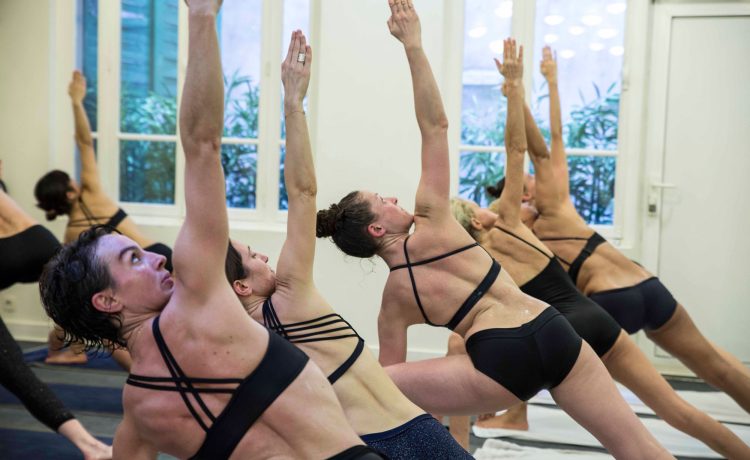
Modern city living often comes with relentless demands. For many Singaporeans, the daily cycle of commuting, deadlines, long working hours, and personal responsibilities creates a constant stream of stress. Over time, this stress can affect mental health, productivity, and even physical wellbeing. In recent years, bikram yoga has gained popularity as a powerful method for managing stress. Practised in a heated environment, it offers not only physical conditioning but also a unique mental reset that helps busy individuals find balance in the midst of pressure.
The Nature of Stress in Urban Singapore
Stress is not inherently negative. Short-term stress can motivate individuals to perform better. However, chronic stress is damaging. In Singapore, where academic expectations, competitive workplaces, and fast-paced urban culture dominate, stress manifests in both physical and emotional forms. Common signs include fatigue, sleep problems, irritability, and decreased concentration.
Left unmanaged, this cycle can lead to burnout. Bikram yoga provides a safe space to pause, reset, and train the body and mind to respond differently to challenges.
Bikram Yoga and Its Stress-Relieving Environment
Unlike other fitness routines, bikram yoga is practised in a room heated to about 40°C. The structured sequence of 26 postures and 2 breathing exercises requires complete focus. In this setting, distractions fade away, and the external world is momentarily shut out.
The heated environment magnifies the challenge, forcing practitioners to remain present. Stress relief arises from this deep immersion. Instead of dwelling on office tasks, household chores, or deadlines, participants centre their attention on breathing, posture, and endurance.
Physical Release of Tension
Stress often accumulates physically in the body, particularly in the shoulders, neck, and back. Sitting at a desk for long hours or constant use of digital devices only intensifies these issues. Bikram yoga directly addresses muscular tension through stretches, compression, and balance poses.
Key physical stress-relief benefits include:
-
Releasing tension from tight muscles through deep stretching.
-
Improving posture, which reduces the discomfort caused by desk-bound work.
-
Enhancing circulation, which oxygenates tissues and reduces fatigue.
By releasing stored tension, bikram yoga provides immediate relief while preventing stress-related physical discomfort from building up over time.
Mental Clarity Through Mindful Breathing
Breathing exercises are central to bikram yoga. Each session begins and ends with controlled breathing patterns, encouraging participants to slow down their mental pace. This creates a meditative effect, grounding the mind and promoting clarity.
For urban professionals or students overwhelmed by multitasking, mindful breathing reduces racing thoughts and lowers cortisol levels, the hormone linked to stress. With consistent practice, the ability to stay calm under pressure begins to extend beyond the yoga studio into real-life stressful situations.
Heat as a Teacher of Resilience
The high heat of a bikram yoga class mirrors stressful conditions in daily life. It feels uncomfortable at first, and the body naturally wants to escape the intensity. However, by staying present and learning to cope, practitioners build resilience.
This resilience transfers into work and personal life. When faced with overwhelming meetings, deadlines, or high-pressure presentations, the body remembers how to remain calm and composed, much like it does in a heated yoga room. Stress becomes less intimidating, and confidence in one’s ability to endure challenges grows.
Restorative Impact on Sleep and Recovery
Stress often disrupts sleep, leading to insomnia or poor-quality rest. Bikram yoga helps restore natural sleep patterns by reducing tension, improving circulation, and balancing hormones. The combination of physical exertion and mindful relaxation promotes deeper, restorative sleep.
Better sleep then leads to improved energy, mood, and focus during the day. Over time, practitioners find themselves breaking free from the cycle of stress-related fatigue.
Building Emotional Balance
Stress does not only affect the mind and body but also emotions. It can trigger irritability, anxiety, and even anger. Bikram yoga promotes emotional balance through mindfulness, structured breathing, and physical release.
The heated environment requires acceptance of discomfort, teaching patience and self-compassion. This emotional stability helps individuals navigate family life, relationships, and workplace dynamics with greater empathy and control.
Social Support in Group Classes
Stress management is easier when shared with others. Bikram yoga is typically practised in group settings, where participants find support and motivation. While the practice is individual, the collective environment fosters encouragement and accountability.
The shared experience of enduring heat and challenging postures often builds bonds within the community. This sense of belonging reduces feelings of isolation, which is a common side effect of stress in fast-paced urban lifestyles.
Long-Term Transformation in Stress Response
The effects of bikram yoga on stress are not limited to the studio. With regular practice, individuals notice long-term improvements in how they react to stressors. They learn to pause before reacting, focus on solutions instead of problems, and maintain calmness even in tense situations.
These benefits accumulate, leading to improved professional performance, healthier relationships, and greater personal satisfaction. Stress may remain a part of life, but the way it is experienced changes drastically.
Making Bikram Yoga Part of Urban Lifestyle Balance
To integrate bikram yoga effectively, it should be treated as a consistent lifestyle choice, not an occasional escape. Two to three sessions per week are ideal for lasting impact. Combined with hydration, proper nutrition, and mindful rest, bikram yoga becomes a sustainable tool for managing stress in Singapore’s demanding environment.
For those seeking guidance, communities such as Yoga Edition provide structured classes and supportive spaces to develop the discipline required for long-term stress management.
FAQs About Stress Management Through Bikram Yoga
Q. How quickly can bikram yoga reduce stress levels?
Some people feel immediate relief after their first class, while deeper changes in stress response usually appear after a few weeks of consistent practice.
Q. Can bikram yoga help with workplace-related stress specifically?
Yes. The resilience, focus, and breathing control developed in class directly apply to high-pressure workplace situations, making it an effective tool for professionals.
Q. Is bikram yoga safe for people who feel overwhelmed easily?
Yes, but beginners should pace themselves, listen to their body, and take breaks when necessary. Over time, their tolerance for both heat and stress improves.
Q. How does bikram yoga compare to meditation for stress relief?
Meditation calms the mind through stillness, while bikram yoga combines movement, heat, and breath to create physical and mental release. Both are effective, and together they can be complementary.
Q. Can bikram yoga help with long-term conditions caused by stress, like high blood pressure?
It may support overall wellbeing, but those with medical conditions should consult a doctor before starting. Regular practice can help regulate blood pressure and improve cardiovascular health as part of a balanced lifestyle.