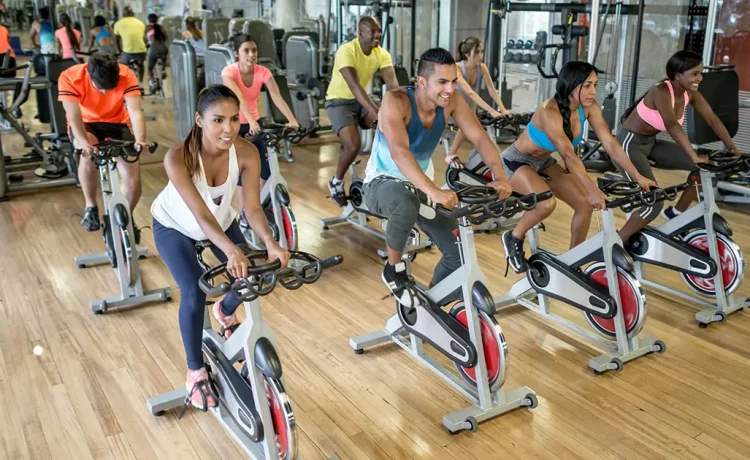
If you have ever walked out of a cycling studio feeling fine and then woken up two days later unable to sit down without wincing, you already understand that spin class soreness operates on its own timeline. The soreness that follows an intense indoor cycling session is real, specific, and often surprising, even for people who train regularly in other formats. Understanding why it happens, which muscles are actually involved, and how to manage recovery intelligently makes the difference between progressing steadily and cycling through a repetitive pattern of soreness and setbacks.
The first time you join an indoor spin class after a period away from cycling, or when you push into a new intensity level, the soreness response is almost inevitable. What matters is knowing how to interpret it and respond to it appropriately.
What Is Actually Happening Inside the Muscle
Delayed onset muscle soreness, commonly known as DOMS, is not caused by lactic acid. This is one of the most persistent myths in fitness, and it has been thoroughly disproven by exercise physiology research. Lactic acid clears from the muscle within an hour of exercise ending. The soreness that arrives 24 to 72 hours later is caused by something different: microscopic damage to the muscle fibre structure itself.
During high-intensity cycling, particularly during hill climbs with heavy resistance and sprint intervals where the legs are producing maximum power output, muscle fibres are subjected to both concentric contractions (shortening under load, as in pushing down on the pedal) and eccentric contractions (lengthening under load, as when controlling the recovery phase of the pedal stroke). Eccentric contractions cause significantly more microscopic structural disruption to the muscle fibre than concentric contractions do.
This microscopic damage triggers an inflammatory response. White blood cells rush to the affected tissue, fluid accumulates, local temperature rises slightly, and the sensitisation of nerve endings in the muscle creates the characteristic tenderness and stiffness associated with DOMS. This is not injury. It is the necessary precursor to muscle adaptation and, ultimately, to getting stronger and more capable.
Which Muscles Cycling Soreness Targets
One of the most common surprises for new cycling participants is the location of their soreness. People expect to feel it in their thighs. Many are caught off guard by how severely their glutes, hip flexors, and even their lower back respond to a first intense session.
Gluteus maximus and gluteus medius: These are the primary power generators during the push phase of the pedal stroke, particularly during hill climbs at high resistance. If your seat height is correctly set, the glutes are heavily recruited throughout every pedal revolution. Many people who lead sedentary working lives have underactive glutes due to prolonged sitting, which means the first few spin sessions ask those muscles to work at an intensity they have not experienced in a long time. The resulting DOMS can be significant.
Quadriceps: The four muscles of the front thigh are responsible for knee extension during the downstroke. They bear the greatest load during standing climbs and heavy resistance intervals. Soreness in the lower quadriceps near the knee is common after a first intense session and is entirely normal provided it resolves within three to four days.
Hamstrings: The hamstrings assist with the pull phase of the pedal stroke, particularly when cycling shoes with cleats are used. In flat-pedal cycling, the hamstrings are less actively recruited during the pull phase, which can create a muscular imbalance over time. When clipped-in cycling is introduced, hamstring soreness is a reliable indicator that they are being engaged for the first time in the full pedal circle.
Hip flexors: The iliopsoas and rectus femoris work during the recovery and lift phase of the pedal stroke. These muscles are frequently shortened and underused in sedentary individuals. During a full cycling session, they are asked to repeatedly contract and lengthen through a range of motion that desk-bound individuals rarely access. Post-class hip flexor tightness and soreness, felt at the front of the hip and the upper inner thigh, is extremely common and responds well to targeted stretching.
Calves: The gastrocnemius and soleus contribute to ankle stability and power transfer during the push phase. Calf soreness after cycling is typically mild but can be sharp if the rider has been pointing their toes down excessively during the session, a technique error that concentrates load at the ankle rather than distributing it through the full leg chain.
Lower back: This is the soreness location that causes the most concern among participants. Lower back discomfort after cycling is almost always related to handlebar height and riding posture rather than the muscular demands of cycling itself. When handlebars are set too low, the rider is forced into a forward lean that places the lower back in sustained flexion under load. Over a 45 to 60-minute session, the paraspinal muscles fatigue and the passive structures of the lumbar spine absorb load they should not be managing. Raising the handlebars and engaging the core throughout the session eliminates this issue for the vast majority of riders.
The Difference Between Productive Soreness and Warning Signs
Not every post-cycling discomfort is DOMS, and distinguishing between normal muscle soreness and a genuine warning signal is an important skill for anyone training regularly.
Productive DOMS has these characteristics:
- It arrives 24 to 72 hours after the session, not during or immediately after
- It is bilateral and symmetric, affecting both legs equally
- It is a dull, achy, tender sensation that is exacerbated by pressing on the muscle or moving through its range of motion
- It peaks around 48 hours post-session and resolves fully within four to five days
- It diminishes significantly with gentle movement and light activity
Warning signs that warrant attention include:
- Sharp or stabbing pain that occurs during the class itself
- Pain that is asymmetric, affecting one side significantly more than the other
- Swelling, redness, or localised heat in a joint (particularly the knee)
- Soreness that intensifies beyond 72 hours rather than improving
- Pain specifically at a joint rather than in the belly of a muscle
- Numbness or tingling in the foot or lower leg during cycling
Knee pain that sits directly below the kneecap (patellar tendon area) and presents during a session is typically a bike setup issue. Seat height that is too low forces the knee into excessive flexion under load, stressing the patellar tendon. This should be addressed before the next session.
How to Recover Intelligently
Recovery from spin class DOMS is faster when it is treated as a structured process rather than passive waiting.
Active recovery on the day after: Light movement increases blood flow to the sore muscles without adding further damage. A 20-minute easy walk, a gentle yoga session, or a very low-resistance cycling warm-up on the following day all accelerate the clearance of inflammatory by-products and reduce the duration and intensity of soreness.
Protein intake: Muscle repair requires amino acids, the building blocks of new muscle tissue. Consuming 25 to 40 grams of high-quality protein within 30 to 45 minutes of finishing a cycling session gives the body the raw materials it needs to begin repair immediately. For Singapore diets, good post-class protein sources include eggs, tofu, chicken, fish, Greek yoghurt, and protein shakes. A bowl of yong tau foo or a plate of steamed chicken rice with a side of eggs is a practical and accessible post-class meal.
Hydration and electrolytes: Indoor cycling produces substantial sweat output, particularly in Singapore’s humidity. Replacing lost fluid and electrolytes, particularly sodium and potassium, supports cellular recovery and prevents the cramping that can exacerbate soreness. Coconut water, electrolyte tablets dissolved in water, or simply well-salted food alongside adequate hydration are all effective strategies.
Sleep: The majority of muscle repair happens during deep sleep, driven by growth hormone release in the early hours of the night. Consistently sleeping less than seven hours significantly impairs recovery from training and prolongs DOMS. For regular cyclists, protecting sleep quality is as important as any recovery modality.
Heat versus cold: Cold exposure (ice baths, cold showers) reduces the acute inflammatory response, which can blunt DOMS severity when applied within the first hour post-session. Heat application (warm baths, heat packs) is more appropriate 24 to 48 hours after the session, when the acute inflammatory phase has passed and the goal is to increase blood flow and reduce stiffness. Both have a role depending on the timing.
Frequently Asked Questions
Why do my glutes hurt more than my legs after spin class?
This is extremely common, particularly for people who spend most of their day sitting. Prolonged sitting causes the glutes to become neurologically inhibited, a phenomenon exercise scientists sometimes call “gluteal amnesia.” When you begin cycling with proper seat height and push through a full range of hip extension, the glutes are suddenly asked to produce significant force through a movement pattern they have not been fully recruited for in a long time. The disproportionate soreness reflects how underused those muscles were before you started cycling, and it diminishes significantly after four to six consistent sessions as the glutes re-learn their proper role in the movement.
How long should soreness last after an intense spin session?
Normal DOMS from an intense spinning session peaks at 48 hours and should be substantially resolved by day four or five. If soreness is still significant on day six or seven, it suggests the session was beyond your current recovery capacity, which is information worth acting on by scaling back intensity in the next class and prioritising sleep and nutrition recovery more deliberately.
Should I push through soreness and go to my next class anyway?
It depends on the severity. Mild to moderate soreness does not mean you should skip class. In fact, a lower-intensity cycling session on a moderately sore day actively accelerates recovery by increasing blood flow to the affected muscles. What you should avoid is pushing maximum intensity on muscles that are still significantly sore, as this adds further damage before the first round of repair is complete and can lead to cumulative overuse injury over time.
Is it normal to be more sore after cycling than after running?
Yes, and this surprises many people. Running does involve significant leg muscle recruitment, but the muscles most heavily loaded during running (primarily the quadriceps during the landing phase) differ slightly from the full glute and hip chain engagement that cycling demands. Additionally, many regular runners have undertrained glutes relative to their quadriceps, making the glute-dominant demands of cycling particularly provocative for their physiology.
Can stretching prevent DOMS after spin class?
Stretching after class has a modest effect on DOMS prevention. It does not prevent the microscopic muscle damage that causes DOMS, but it does reduce the stiffness and tightness that compound soreness by maintaining range of motion in the affected muscles. A five to ten-minute post-class stretch targeting the hip flexors, glutes, hamstrings, and calves is a worthwhile habit regardless of its DOMS-prevention effects, because it supports long-term mobility and helps identify asymmetries in flexibility that can indicate developing imbalances.
TFX Singapore instructors provide post-class cool-down and stretching guidance as a standard part of each session, which gives riders immediate access to the recovery support they need right after the most demanding part of the workout is complete.