Portion control is one of the most effective ways to support healthy eating without strict dieting. Rather than eliminating foods, it focuses on eating the right amount to fuel the body, maintain energy, and prevent overeating. When practiced consistently, portion awareness supports weight management, digestion, and long-term wellness.
Why Portion Control Matters
Modern portion sizes have increased significantly, making it easy to consume more than the body needs.
Effective portion control helps:
- Regulate calorie intake naturally
- Prevent energy crashes and bloating
- Support balanced blood sugar levels
Learning to recognize appropriate portions builds a healthier relationship with food.
Use Visual Cues Instead of Measuring Everything
Simple Portion Estimation Techniques
You don’t need a scale or measuring cups at every meal. Visual guides make portion control practical and sustainable.
Helpful visual cues:
- Protein: about the size of your palm
- Carbohydrates: roughly a cupped hand
- Fats: about the size of your thumb
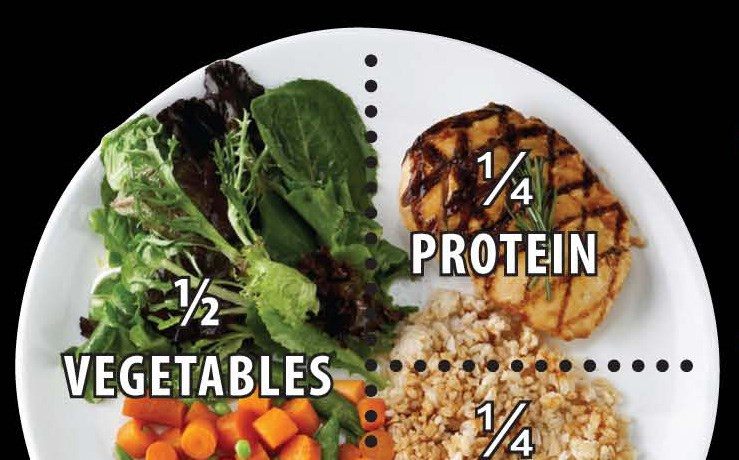
- Vegetables: at least half your plate
These estimates adjust naturally to individual body size and activity level.
Slow Down and Eat Mindfully
Eating quickly often leads to overeating before fullness signals register.
Mindful eating habits include:
- Chewing thoroughly
- Putting utensils down between bites
- Eating without screens or distractions
Slower meals improve digestion and help you recognize when you’ve had enough.
Balance Your Plate to Feel Satisfied
The Role of Macronutrient Balance
Balanced meals reduce hunger and make smaller portions more satisfying.
Aim for:
- Protein to increase fullness
- Fiber-rich carbohydrates for steady energy
- Healthy fats for satiety and flavor
This balance prevents the urge to snack excessively later.
Choose Smaller Plates and Bowls
Dishware size influences how much we serve ourselves. Using smaller plates creates the illusion of a fuller meal.
Benefits of smaller dishware:
- Naturally limits serving size
- Encourages mindful portions
- Reduces unconscious overeating
This simple habit can significantly reduce daily calorie intake over time.
Pre-Portion Snacks and Meals
Planning Prevents Overeating
Eating directly from large packages makes it easy to lose track of quantity.
Smart strategies:
- Portion snacks into small containers
- Serve meals in the kitchen instead of family-style
- Store leftovers promptly after meals
These steps remove the temptation for automatic second servings.
Listen to Hunger and Fullness Signals
Portion control works best when paired with body awareness.
Practice:
- Eating when genuinely hungry
- Stopping at comfortable fullness, not stuffed
- Distinguishing physical hunger from emotional cravings
Over time, this awareness helps regulate portions naturally.
Be Flexible, Not Restrictive
Perfection isn’t required for success. Enjoying favorite foods in reasonable portions supports long-term consistency.
Healthy flexibility includes:
- Enjoying treats without guilt
- Returning to balanced meals afterward
- Avoiding “all-or-nothing” thinking
Sustainable habits matter more than occasional indulgences.
FAQs About Portion Control
1. Is portion control the same as calorie counting?
No. Portion control focuses on awareness and balance rather than tracking numbers.
2. Can portion control help without changing food choices?
Yes. Eating smaller portions of familiar foods can still support health goals.
3. How do I control portions when eating out?
Consider sharing meals, boxing half immediately, or choosing lighter sides.
4. Does drinking water before meals help portion control?
It can. Water may reduce appetite and support better fullness awareness.
5. Are larger portions ever necessary?
Yes. Active individuals or those with higher energy needs may require larger portions.
6. How long does it take to adjust to smaller portions?
Most people adapt within a few weeks as hunger cues recalibrate.
7. Can portion control support digestion?
Yes. Smaller, balanced meals often reduce bloating and digestive discomfort.
Portion control isn’t about eating less—it’s about eating smarter. With mindful habits, visual cues, and balanced meals, portion control becomes an effortless part of a healthy lifestyle rather than a constant struggle.