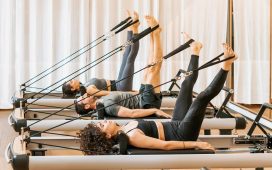
Athletes constantly push their bodies to perform faster, stronger, and longer. While traditional training focuses on strength, speed, and endurance, yoga fills critical gaps that many athletic programs overlook. Practiced consistently, yoga enhances mobility, mental focus, recovery, and injury prevention—making it a powerful, natural performance tool for athletes at every level.
Why Athletes Are Turning to Yoga
Yoga is no longer limited to recovery days or off-season routines. Elite and recreational athletes alike use yoga to support balanced athletic development.
Key reasons athletes integrate yoga include:
- Improved movement efficiency
- Better body awareness and control
- Reduced risk of overuse injuries
- Enhanced mental resilience under pressure
Yoga complements sport-specific training rather than replacing it.
Enhancing Strength Without Excess Strain
Functional Strength and Stability
Yoga builds functional, bodyweight strength by engaging multiple muscle groups simultaneously. Unlike isolated lifting movements, yoga strengthens stabilizers that protect joints during dynamic athletic actions.
Benefits for athletes:
- Stronger core and hip stabilizers
- Improved joint integrity
- Greater control through full ranges of motion
This type of strength translates directly into better performance on the field, court, or track.
Improved Flexibility and Range of Motion
Tight muscles limit power output and increase injury risk. Yoga systematically addresses these restrictions.
Regular practice helps:
- Lengthen chronically tight muscles
- Improve joint mobility
- Maintain optimal muscle balance
Greater flexibility allows athletes to move more freely and generate power efficiently without compensations.
Faster Recovery and Reduced Injury Risk
Supporting Muscles and Connective Tissues
Yoga stimulates circulation and lymphatic flow, which supports muscle repair and recovery after intense training.
Recovery-focused yoga can:
- Reduce post-workout soreness
- Improve tissue hydration
- Decrease inflammation
This accelerates recovery cycles and allows athletes to train consistently without burnout.
Breathing Techniques That Boost Endurance
Athletic performance depends heavily on oxygen efficiency. Yoga emphasizes controlled, conscious breathing, which directly benefits endurance and stamina.
Breath-focused practice helps athletes:
- Improve lung capacity
- Regulate heart rate under stress
- Delay fatigue during competition
Learning to control breath under physical strain gives athletes a measurable competitive edge.
Mental Focus and Competitive Edge
Training the Mind Alongside the Body
Yoga sharpens concentration and emotional regulation—skills essential during high-pressure moments.
Mental benefits include:
- Improved focus during competition
- Better stress management
- Faster recovery from mistakes
This mental conditioning often separates good athletes from great ones.
Sport-Specific Benefits of Yoga
Yoga adapts easily to different sports and training demands.
Examples include:
- Runners gain hip mobility and stride efficiency
- Team sport athletes improve agility and balance
- Strength athletes enhance joint resilience
- Endurance athletes develop breath control and recovery capacity
The versatility of yoga makes it suitable for virtually any athletic discipline.
How Athletes Can Incorporate Yoga Into Training
Consistency matters more than session length.
Practical integration tips:
- Add 2–4 yoga sessions per week
- Use dynamic flows on training days
- Practice restorative yoga on recovery days
- Focus on areas stressed by your sport
Even short sessions can produce meaningful performance gains when practiced regularly.
FAQs About Yoga for Athletes
1. Can yoga slow down muscle growth for athletes?
No. Yoga supports muscle balance and recovery, which can actually enhance strength gains when combined with proper training.
2. Is yoga effective for high-impact sports?
Yes. Yoga improves joint stability and mobility, which are critical for sports involving jumping, sprinting, and rapid direction changes.
3. Should athletes practice yoga before or after workouts?
Both work. Dynamic yoga fits well before training, while slower styles are ideal after workouts or on rest days.
4. How long should a yoga session be for athletes?
Sessions can range from 20 to 60 minutes depending on goals, training load, and recovery needs.
5. Does yoga help with muscle imbalances?
Yes. Yoga promotes symmetrical strength and flexibility, helping correct imbalances caused by repetitive sport movements.
6. Can yoga improve reaction time and agility?
Indirectly, yes. Better balance, coordination, and nervous system regulation support quicker and more efficient reactions.
7. Is yoga useful during competition season?
Absolutely. Gentle and targeted yoga helps maintain mobility, manage stress, and support recovery during peak performance periods.
Yoga offers athletes a natural, sustainable way to improve performance without adding unnecessary strain. By strengthening the body, sharpening the mind, and supporting recovery, yoga becomes a powerful ally in long-term athletic success.